
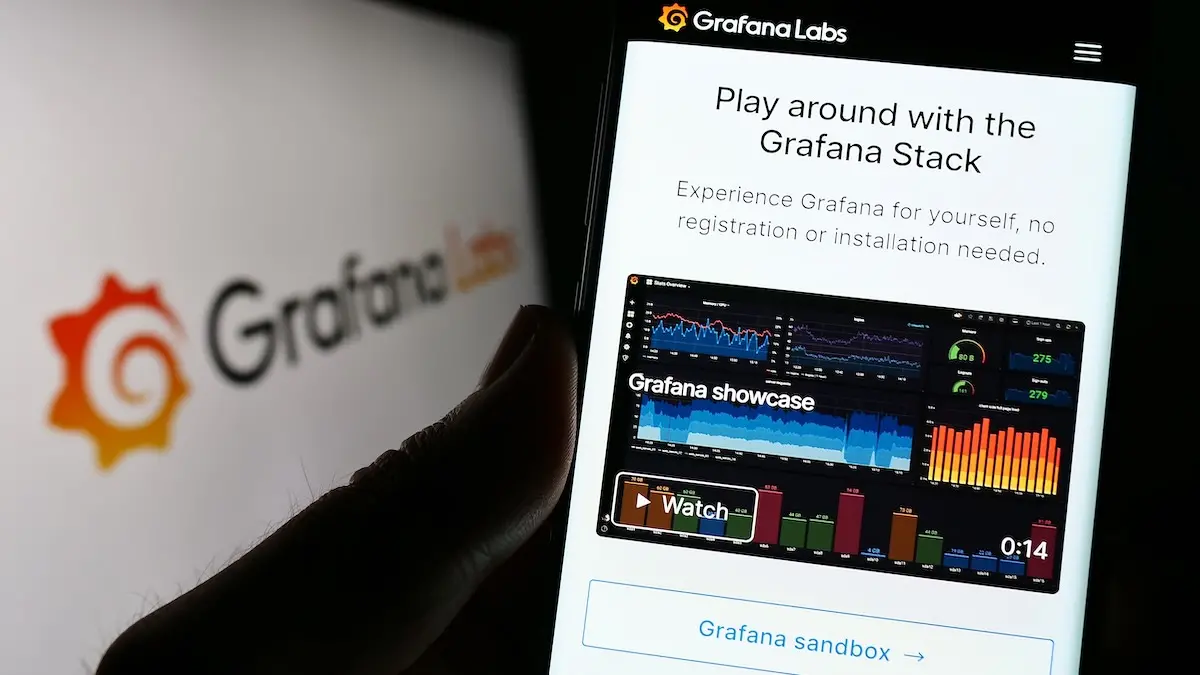
Grafana, the widely used open-source analytics and visualization platform, has confirmed that it suffered a data breach over the weekend, just two days after a cybercrime group known as Coinbase Cartel listed the company on its leak website. The breach, which was disclosed on Sunday, involved the theft of source code, though the company maintains that no customer or personal data was compromised.
According to a statement from Grafana Labs, the intrusion was made possible by a compromised authentication token that granted unauthorized access to the company’s GitHub environment. This token allowed the attackers to download the entire codebase of the platform. Grafana emphasized that the incident has not affected customer systems or operations, and that no sensitive customer information was exposed.
The attackers, who identified themselves as members of Coinbase Cartel, demanded a ransom payment in exchange for not leaking the stolen source code. Grafana said it has decided not to pay the ransom, a stance that aligns with best practices recommended by cybersecurity agencies worldwide. The company has since reset the compromised credentials and is conducting a thorough forensic analysis to understand the full scope of the breach. Additional details are expected to be shared once the investigation is complete.
Grafana’s breach highlights the growing threat posed by cybercriminal groups that specialize in data theft rather than file-encrypting ransomware. Coinbase Cartel, which first appeared in September 2025, operates by infiltrating organizations, exfiltrating sensitive data, and then threatening to publish it unless a ransom is paid. The group’s leak site currently lists 105 victims, a testament to its aggressive targeting of high-value companies.
Cybersecurity researchers have linked Coinbase Cartel to several well-known threat actors, including ShinyHunters, Scattered Spider, and Lapsus$. These groups are believed to have been collaborating since at least mid-2025, with some evidence pointing to partnerships that may date back to 2024. The alliance has been behind a series of high-profile data theft campaigns, often using the ShinyHunters pseudonym to claim responsibility. Among the notable victims are Instructure, Vimeo, Wynn Resorts, Vercel, and Medtronic, all of which have faced significant data exposure due to these attacks.
Grafana is a critical tool for monitoring and observability, used by organizations ranging from startups to Fortune 500 companies. Its open-source nature means that much of its code is publicly visible, but the breach of its private GitHub repository could expose proprietary improvements, security features, and internal development processes. While Grafana has stated that the stolen source code does not contain customer data, the leakage of proprietary code could still pose risks, such as enabling attackers to identify vulnerabilities or build custom exploits.
The breach also raises questions about the security of GitHub tokens and access management. Compromised tokens have become a common vector for attacks on software development platforms, as they often grant broad access to repositories without requiring additional authentication measures like multi-factor authentication (MFA). Grafana has not disclosed whether MFA was enabled on the compromised account, but the incident serves as a reminder for organizations to regularly audit and rotate access tokens, limit their permissions, and implement least-privilege principles.
Coinbase Cartel’s methods are notably different from traditional ransomware groups. Instead of encrypting files and demanding payment for decryption, they focus solely on data exfiltration and extortion. This approach has become increasingly popular as organizations improve their backup and recovery capabilities, making encryption less effective. The group typically demands payment in cryptocurrency and has shown a willingness to follow through on leaks when ransoms are not paid.
The gang’s name is a reference to the cryptocurrency exchange Coinbase, though no direct link has been established between the group and the exchange. It is possible that the name was chosen for intimidation or brand recognition. The group’s leak site is a dark web platform where it publishes snippets of stolen data to pressure victims into paying. In Grafana’s case, as of the time of writing, no data had been publicly released, suggesting that the attackers may still be negotiating or preparing to dump the information.
Grafana’s response has been praised by some security experts for its transparency and refusal to cave to ransom demands. However, the company will need to carefully monitor the situation, as the attackers may still leak the source code if they feel their ransom demands will not be met. The company has also assured users that its platform remains secure and that no remediation steps are required on the customer side.
This incident is not the first time Grafana has been in the security spotlight. Earlier this year, researchers disclosed a vulnerability dubbed “GrafanaGhost,” which allowed attackers to abuse Grafana to leak enterprise data. That vulnerability was patched, but it underscores the ongoing challenges of securing a complex, widely deployed open-source platform. The company has also faced previous security issues, including a 2022 data exposure that affected some of its cloud customers.
The broader trend of data theft extortion is alarming. According to the Verizon Data Breach Investigations Report for 2026, vulnerability exploitation has overtaken credential theft as the top breach vector, signaling an evolution in attacker tactics. Groups like Coinbase Cartel are exploiting this shift, combining sophisticated initial access methods with effective extortion campaigns. For organizations, the key takeaway is the importance of robust access controls, regular security audits, and incident response plans that account for data theft scenarios.
Grafana Labs, which raised significant funding in recent years and expanded its cloud services, will likely face increased scrutiny from customers and partners as the investigation progresses. The company has a strong track record of security disclosures, but this breach could impact trust if the source code is eventually leaked and analyzed for vulnerabilities. Open-source projects often rely on community trust, and a breach of this nature can have ripple effects across the ecosystem.
As the cybersecurity community watches for developments, Grafana’s breach serves as a reminder that no organization is immune to targeted attacks. Even companies with mature security postures can fall victim to a single compromised token. The incident reinforces the need for continuous monitoring, proactive threat hunting, and a culture of security awareness among developers and IT staff.
Source: SecurityWeek News