

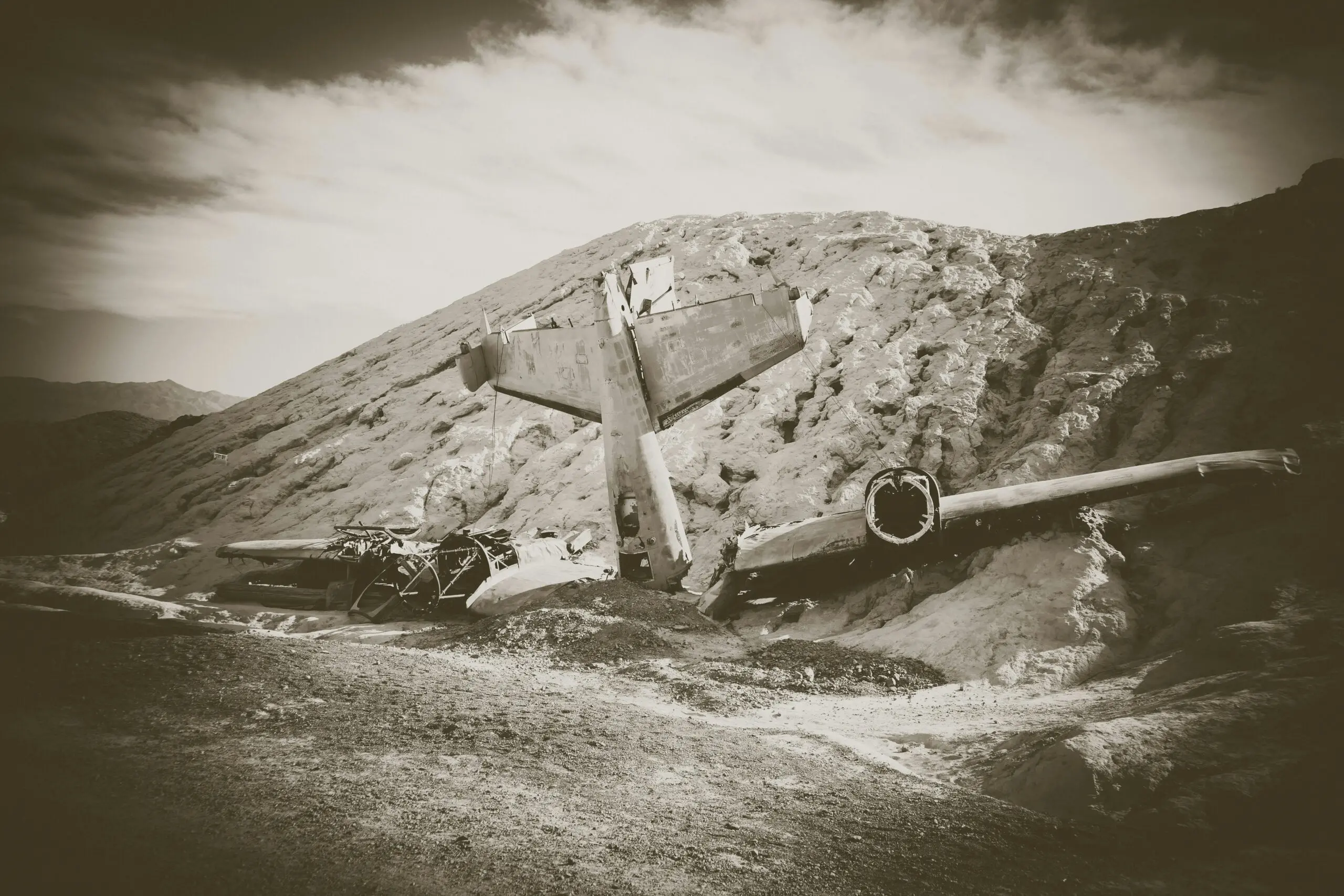
The metaphor of an airplane in distress has been commonly applied to North Korea since the 1990s, when the death of its founding leader Kim Il Sung coincided with economic collapse and famine. Observers debated whether the country would undergo a soft landing through reform or a catastrophic crash. However, North Korea has defied expectations, surviving through austerity, military investments, and tight control. Today, that same metaphor might better describe the United States under the second term of President Donald Trump.
Trump's administration exhibits signs of what experts call totalitarian aspirations: a desire to eliminate opposition, control media, and centralize power. Although the U.S. remains a democracy, Trump's actions—bypassing Congress, undermining the judiciary, and tilting electoral rules—have weakened institutional safeguards. His admiration for autocrats, including Kim Jong Un, reflects a shared ambition for unchecked authority. The once-hostile relationship between Trump and Kim transformed into an unlikely friendship, with Trump stating, "We fell in love." This affinity suggests a deeper ideological sympathy beyond mere diplomacy.
Personality Cults and Military Priorities
North Korea's personality cult of the Kim family dominates its culture, with propaganda emphasizing loyalty to the ruling dynasty. Trump has attempted to construct a similar cult: his name adorns public buildings, his face appears on coins, and plans for a golden statue at his presidential library echo Pyongyang's monuments. However, outside his loyal base, this effort has generated more ridicule than reverence.
Both nations prioritize military spending. North Korea allocates 34% of its GDP to defense, maintaining a large army and nuclear weapons. Trump has escalated U.S. military budgets to $1.5 trillion—a 50% increase—and expanded conflicts, including an attack on Iran costing over $11 billion in its first week. This militarization strains the economy while diverting resources from social programs.
Economic Nationalism and Isolation
Trump's economic strategy mirrors North Korea's import substitution and defiance of global rules. His tariff hikes, repudiation of trade deals, and rejection of international conventions like the Law of the Sea aim to rebuild domestic manufacturing. Yet these policies risk triggering recession, inflation, and trade wars. Combined with tax cuts, deregulation, and cuts to public investment, the U.S. economy faces a potential "triple whammy" similar to North Korea's 1990s crisis—where environmental disaster, political corruption, and rising energy costs killed an estimated one million people.
While Wall Street remains buoyant, underlying fragility grows. U.S. debt has soared to nearly $40 trillion, and faith in government erodes as Trump's scandals and lies persist. The pandemic-era economic support has ended, leaving many households vulnerable. Food insecurity is rising, and infrastructure crumbles. A hard landing—involving default, hyperinflation, or civil unrest—cannot be dismissed.
The Flight 93 Doctrine Reversed
In 2016, conservative writer Michael Anton published "The Flight 93 Election," arguing Trump could save the U.S. by storming the cockpit. That analogy has come full circle: Trump now holds the controls and appears determined to crash, not land, the plane. His scorched-earth policies aim to make recovery for future administrations impossible. If Democrats regain power, they will face a wrecked economy, hollowed-out institutions, and a skeptical electorate.
Reform would require a massive program akin to the New Deal—restructuring the economy to favor workers, punishing corruption, taxing the wealthy, and rebuilding global alliances. But Trump's legacy of distrust and division makes such reforms extraordinarily difficult. Without immediate action, the U.S. may experience a hard landing as devastating as anything predicted for North Korea.
The clock is ticking. Elections approach, and the outcome may determine whether the plane steadies or spirals into catastrophe. The urgency of the moment demands vigilance and mobilization.
Source: CounterPunch.org News