

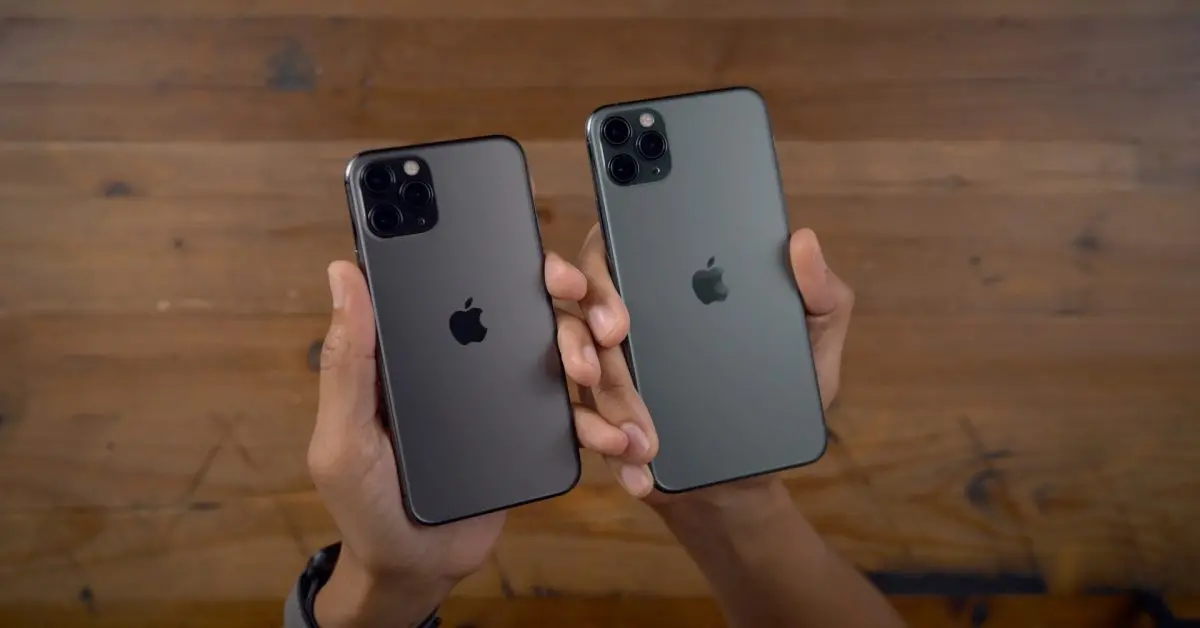
With WWDC 2026 just weeks away, anticipation is building around the unveiling of iOS 27. Apple is expected to showcase a major overhaul of Siri, a new Liquid Glass design language, and deeper integration of Apple Intelligence across the operating system. However, alongside these exciting features comes a sobering reality for some iPhone owners: the next major update may leave four popular models behind.
iOS 27 Compatibility Leak
According to a recent post by Weibo leaker Instant Digital, Apple is preparing to drop support for the iPhone 11, iPhone 11 Pro, iPhone 11 Pro Max, and the second-generation iPhone SE. The leaker, who has a mixed track record but occasionally provides accurate pre‑WWDC information, claims that iOS 27 will require at least an iPhone 12. This would mean that the iPhone 11 series — launched in 2019 — and the budget‑friendly iPhone SE (2020) would be cut off from the next major software cycle.
If the leak proves true, iOS 27 would mark the second consecutive year in which Apple has removed multiple older models. In 2025, iOS 26 dropped support for the iPhone XS, iPhone XS Max, and iPhone XR, reducing the minimum requirement to the iPhone 11 series. Now, with the iPhone 12 becoming the new baseline, only devices equipped with the A14 Bionic chip or later would be eligible for the update. The second‑generation iPhone SE, which uses the A13 Bionic (the same chip as the iPhone 11), would also be excluded.
Historical Pattern of iOS Support Drops
Apple’s approach to iOS support has historically followed a predictable pattern: the company typically provides major software updates for around five to six years after a device’s release. The iPhone 11 series debuted in September 2019, meaning these devices would have received five major iOS versions (iOS 13 through iOS 26) plus incremental updates. Dropping them for iOS 27 aligns with that timeline. The second‑generation iPhone SE, launched in April 2020, would have received six versions (iOS 13 through iOS 26), also fitting the typical support window.
Looking further back, Apple’s support cycles have occasionally extended longer for certain models, but the trend toward more aggressive pruning has accelerated in recent years. The iPhone 6s, for example, famously received iOS 15 in 2021 — seven years after its release. But as Apple pushes more advanced AI and graphics features, older hardware struggles to keep up. The iPhone 11’s A13 chip, while still capable for many tasks, lacks the Neural Engine performance required for the latest on‑device machine learning models. Additionally, the 4GB of RAM in the iPhone 11 may become a bottleneck for multitasking features in iOS 27.
It’s also worth noting that the iPhone 12, which uses the A14 chip, is itself approaching four years old by the time iOS 27 ships. Some observers speculate that the iPhone 12 could be the next model dropped in iOS 28, but for now it remains the entry‑level supported device.
The Impact on Users with Older iPhones
For users currently on an iPhone 11 or second‑gen iPhone SE, the news may be disappointing. However, Apple will continue to release security updates and bug fixes for iOS 26 for at least another year or two. Those who choose not to upgrade their hardware will still receive critical patches, albeit without new features. The practical effect is that app developers will gradually shift their minimum deployment targets to iOS 27, potentially making some apps unavailable on older devices over time.
Users who want the latest features — especially the rumored Siri overhaul and Liquid Glass UI — will need to consider upgrading. The iPhone 12 family remains a solid choice for budget‑conscious buyers, as it can be found refurbished for around $300‑$400. Alternatively, the iPhone SE (3rd generation) offers the same A15 chip as the iPhone 13 in a compact form factor for about $429 new. For those seeking the full Apple Intelligence experience, however, only the iPhone 15 Pro or later will support the most advanced AI features, as those require the A17 Pro chip and 8GB of RAM.
Apple’s decision to drop the iPhone 11 series also affects the secondary market. Resale values for those models will likely drop after the iOS 27 announcement, making now a good time for owners to sell or trade in their devices before the June 8 keynote.
iOS 27’s Feature Requirements
Beyond the base compatibility list, many of iOS 27’s headline features will have additional hardware requirements. Apple Intelligence, which debuted in 2024 with iOS 26.1, has been expanded significantly in the latest version. According to rumors, features such as on‑device summarization, real‑time translation, and AI‑powered photo editing will require the iPhone 15 Pro or newer. The reason: these tasks depend on the 16‑core Neural Engine in the A17 Pro chip, which delivers up to 35 trillion operations per second — double the performance of the A16. Even the iPhone 15 and iPhone 15 Plus, which use the A16, may be excluded from some capabilities.
Similarly, the Liquid Glass design language is expected to introduce translucent UI elements and dynamic blur effects that leverage the GPU’s hardware‑accelerated raytracing. The A14 and A15 chips do support hardware‑encoded blurs, but Apple may choose to limit the most advanced visuals to devices with the A16 or newer for performance and battery life reasons. Consequently, even if an iPhone 12 or iPhone SE 3 can run iOS 27, it may not render all UI animations with the same fluidity as newer models.
The Siri overhaul, meanwhile, is said to involve a new large language model running locally on the device. This would require at least 6GB of RAM and a dedicated Neural Engine core count beyond the A13’s eight cores. Preliminary reports suggest that only the iPhone 13 and later will support the full conversational Siri, while the iPhone 12 might receive a limited version. Again, official details will not be confirmed until Apple’s keynote.
WWDC 2026 Expectations
WWDC 2026, scheduled for June 8, is expected to be one of the most significant developer conferences in recent years. Alongside iOS 27, Apple will unveil iPadOS 27, macOS 16, watchOS 12, and visionOS 3. Industry watchers anticipate a strong focus on artificial intelligence, with Apple competing against Google’s Gemini and OpenAI’s latest models. The new Liquid Glass design language is rumored to unify the visual aesthetic across all platforms, while Siri’s transformation into a genuinely helpful assistant could finally make the digital assistant a major selling point.
On the hardware side, the iPhone 17 lineup is expected to be announced in September, so the June event will likely focus on software. However, Apple might preview new chips or developer tools that hint at future hardware capabilities. For developers, the compatibility drop means they will need to update their apps to target iOS 27 as the new baseline, while still supporting older versions for a transitional period.
As we await the official announcement, the leaked list from Instant Digital serves as a useful guide for planning upgrades. Whether you are an iPhone 11 user considering a trade‑in or a developer preparing for the new API landscape, the need to consider the transition is clear. Apple has historically maintained that dropping older hardware is necessary to deliver the best experience for the majority of users, and the evidence suggests that iOS 27 will push the boundaries of what smartphones can do.
Source: 9to5Mac News