

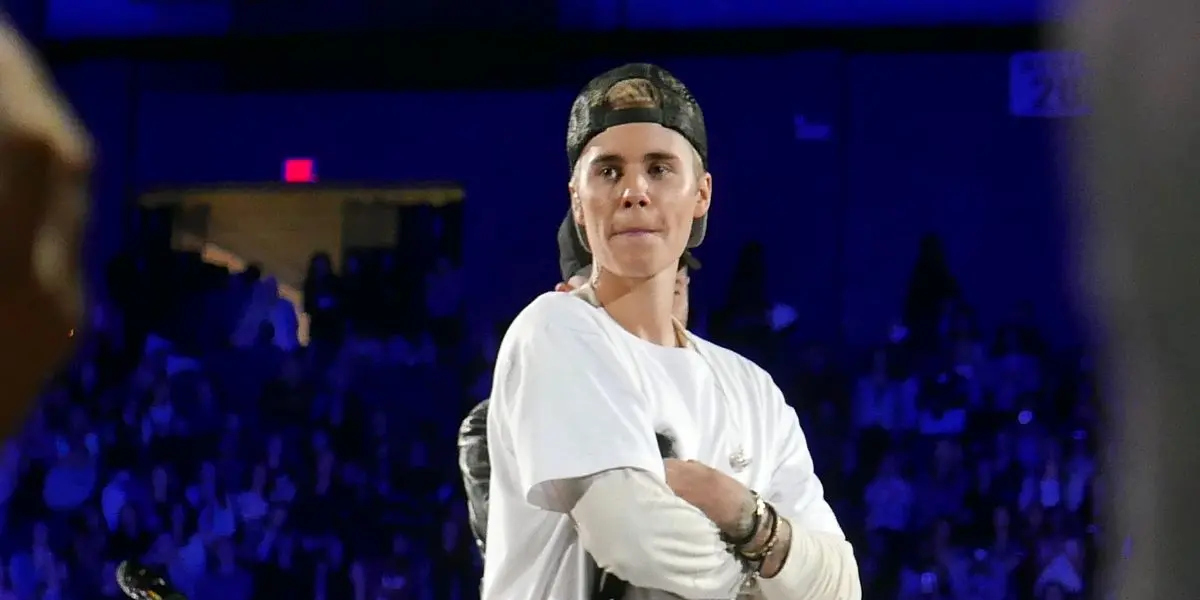
Justin Bieber has once again conquered the German music charts, this time with a song originally released over a decade ago. In early May 2026, 'Beauty And A Beat' featuring Nicki Minaj soared to the number-one spot on the official German Single Charts (GfK Entertainment). The resurgence marks Bieber's third chart-topping hit in Germany, a testament to his lasting influence and the powerful connection fans still feel with his early work.
Coachella Sparks Chart Revival
The catalyst for this remarkable chart comeback was Bieber's highly anticipated performance at the Coachella Valley Music and Arts Festival. Dubbed 'Bieberchella' by his devoted fanbase, the set included a electrifying rendition of 'Beauty And A Beat' that quickly went viral across social media platforms. Within days, streaming numbers for the song skyrocketed, propelling it back into the global spotlight. The German market, known for its strong loyalty to pop artists, responded immediately. The song's resurgence demonstrates how a single live event can reignite interest in catalog material, especially when the performance resonates deeply with both longtime followers and new listeners.
Third Number One in Germany
With 'Beauty And A Beat' reaching number one, Justin Bieber now holds three German chart-toppers. His previous German number ones were 'Sorry' (2015) and 'Love Yourself' (2015), both from his critically acclaimed album 'Purpose'. Achieving a third number one in a country as music-diverse as Germany is a significant milestone. It places Bieber among a select group of international artists who have maintained commercial relevance across different eras of their careers. The song's success is particularly impressive given its age; 'Beauty And A Beat' was originally released in 2012 as part of his third studio album 'Believe'. At that time, the track peaked at number six on the German charts. Now, fourteen years later, it has surpassed its original performance to claim the top spot.
The Song: 'Beauty And A Beat'
'Beauty And A Beat' is a dance-pop and electropop anthem produced by Max Martin, Anton Zaslavski (Zedd), and Savan Kotecha. The collaboration with Nicki Minaj added a dynamic rap verse that energized the track. The song's lyrics celebrate youth, nightlife, and romantic escapism, themes that have proven timeless. Its production, featuring a driving beat and synth melodies, remains fresh even in the mid-2020s. The music video, which incorporates scenes from Bieber's 3D concert film 'Justin Bieber: Never Say Never', has amassed over 800 million views on YouTube. Its continued popularity contributed to the streaming surge triggered by Coachella.
Justin Bieber: A Career Spanning Decades
Justin Drew Bieber was born on March 1, 1994, in Stratford, Ontario, Canada. Raised by his single mother, he taught himself to play piano, guitar, drums, and trumpet. In 2008, his mother began uploading videos of his performances to YouTube, where they caught the attention of talent manager Scooter Braun. Braun signed the young star and secured a record deal with Island Records. Bieber's debut single 'One Time' (2009) became a global hit, followed by the massive success of 'Baby' (2010), which catapulted him to international stardom. Over the years, Bieber has sold over 150 million records worldwide, won two Grammy Awards, 22 MTV Europe Music Awards, and numerous other accolades. He broke records as the youngest solo male artist to top the Billboard 200 since Stevie Wonder. His journey from YouTube sensation to global icon is a testament to his talent, adaptability, and the unwavering support of his fans, known as 'Beliebers'.
Coachella: A Festival That Makes Magic
The Coachella Valley Music and Arts Festival, held annually in Indio, California, has become a cultural phenomenon. It is famous for launching viral moments and resurrecting old hits. Past examples include Prince's farewell performance in 2008, Beyoncé's iconic 2018 set, and Daft Punk's surprise appearances. Bieber's 2026 performance added to that legacy. His setlist combined new material with nostalgic favorites, and 'Beauty And A Beat' became the standout moment. Powerful lighting, choreography, and a crowd sing-along made the performance shareable. Within 24 hours, clips had been viewed millions of times, and streaming platforms reported a 300% increase in plays for the song in Germany alone.
The Streaming Era and Older Hits
The music industry's shift toward streaming has fundamentally changed how songs chart. Unlike in the physical era, catalog tracks can re-enter charts months or years after release if they gain popularity through social media, films, or live events. Bieber's 'Beauty And A Beat' is a prime example. In 2026, streaming accounts for over 85% of music consumption in Germany. Platforms like Spotify, Apple Music, and YouTube prioritize playlists and algorithm-driven suggestions, meaning a viral spike quickly translates into chart positions. This environment favors artists with deep back catalogs and loyal fanbases. Other artists, such as Fleetwood Mac with 'Dreams' (after a TikTok trend) and Kate Bush with 'Running Up That Hill' (after its use in 'Stranger Things'), have experienced similar revivals. Bieber's resurgence joins this trend, proving that great music can find new audiences decades later.
Fan Loyalty and the 'Belieber' Phenomenon
Justin Bieber's fanbase remains one of the most dedicated in pop music. From his early days as a teen idol, Beliebers have supported him through personal struggles, public controversies, and artistic evolution. The Coachella revival showcased this loyalty. Within hours of the performance, hashtags like Bieberchella and BeautyAndABeat trended globally. Fans created viral dance challenges and shared emotional stories about how the song impacted their youth. This collective nostalgia fueled streaming numbers and social media engagement, driving the chart success. The German Belieber community was particularly active, organizing streaming parties and voting campaigns. Their efforts paid off when the song hit number one, a moment celebrated across fan forums.
Impact on Bieber's Legacy
Reaching number one in Germany with a 14-year-old song reinforces Justin Bieber's status as a pop culture icon. It demonstrates that his early work still resonates and that he can command attention without new releases. This achievement adds to his legacy as an artist who connects multiple generations. For younger fans who discovered him through 'Beauty And A Beat', it offers a bridge to his newer music. For older fans, it validates their long-standing support. The success also sends a message to the music industry: catalog songs can be monetized and revitalized through strategic live performances and fan engagement.
Future Prospects
Following this chart triumph, Bieber is expected to capitalize on the momentum. Rumors suggest he may announce a European tour leg or release a remix of 'Beauty And A Beat' to celebrate its return. His team has already promoted the number-one achievement on social media, hinting at more nostalgic content. Meanwhile, the song continues to perform well on streaming platforms, maintaining its position in the top 10 of German charts. As the music landscape evolves, Bieber remains relevant by blending nostalgia with innovation. The 'Bieberchella' moment is a reminder that sometimes the best hits are the ones we thought we had left behind.