

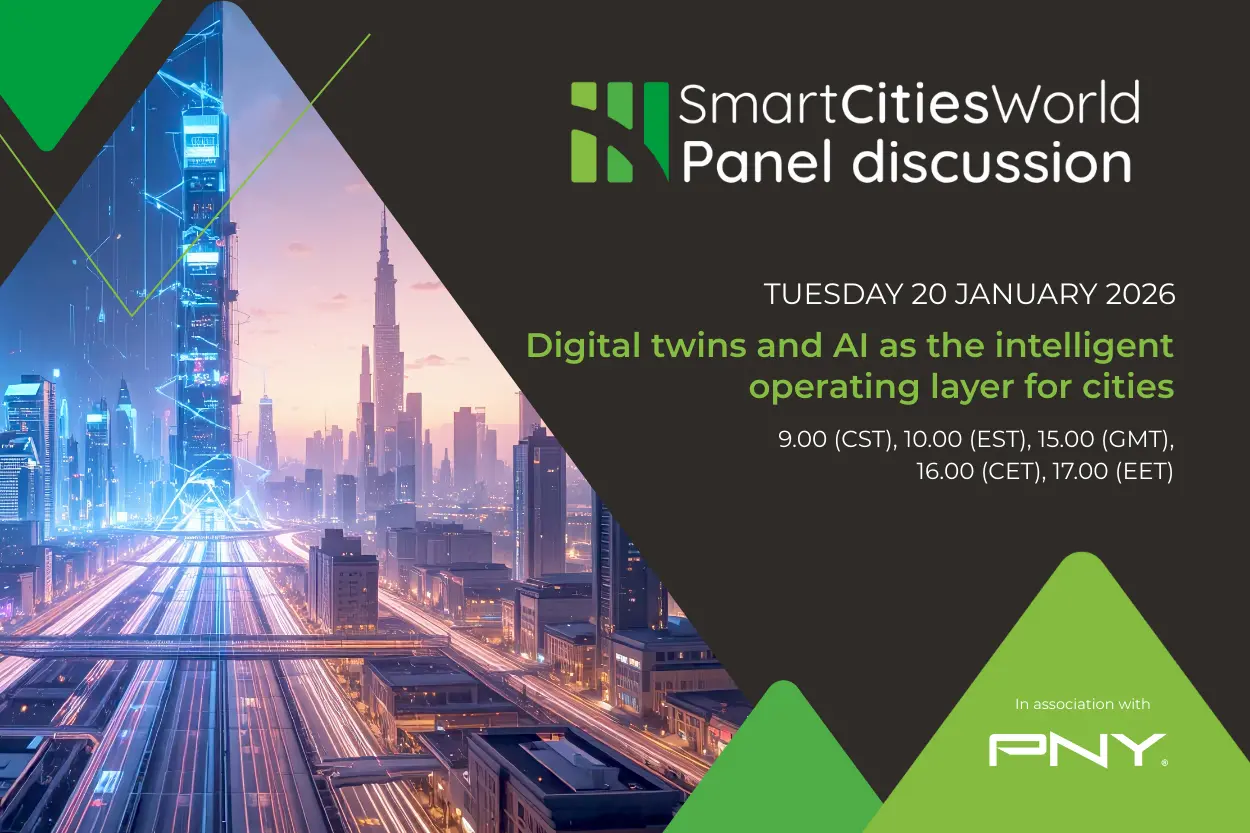
The convergence of digital twin technology and artificial intelligence is creating an intelligent operating layer for cities—a dynamic, data-driven framework that enables urban managers to simulate, predict, and optimize complex systems in real time. This paradigm shift promises to improve efficiency, resilience, and sustainability across transportation, energy, security, and public services. Cities worldwide are racing to connect fragmented data sources, tighten cybersecurity, and embed AI into decision-making processes, moving from reactive management to proactive, predictive governance.
At its core, a digital twin is a virtual replica of a physical asset, system, or process, continuously updated with real-time sensor data. When integrated with AI—particularly machine learning and computer vision—these twins become self-learning models that can detect anomalies, forecast failures, and recommend interventions. For urban environments, this means the ability to simulate traffic flows before a road closure, predict energy demand across neighborhoods, or optimize emergency response routes during a crisis. The result is a city that not only responds faster but anticipates challenges.
Transforming Urban Transport Networks
Transport networks are one of the most immediate beneficiaries of AI-enhanced digital twins. Cities like London and Singapore have long used simulation models, but the new generation of twins ingests live data from GPS, traffic cameras, and IoT sensors to adjust signal timings, reroute buses, or predict congestion patterns hours in advance. The impact on daily operations is profound: reduced travel times, lower emissions, and improved reliability for commuters. In Dublin, for example, digital twin projects have focused on traffic reduction and economic growth, using AI to analyze mobility patterns and support public-private initiatives that encourage cycling, walking, and shared mobility. These models help planners test interventions—such as new bike lanes or pedestrian zones—before committing physical resources, saving both time and taxpayer money.
Beyond operations, transport twins also support long-term planning. By running thousands of scenarios, cities can evaluate the effects of population growth, new housing developments, or climate events on transit capacity. This foresight is crucial for securing funding and political support for infrastructure projects. Moreover, passenger outcomes improve when real-time information is delivered via apps and digital signage, integrating alerts for delays, crowding, and alternative routes—all powered by the AI behind the twin.
Connecting Data, Tightening Security
As cities connect more data sources—from streetlights to water meters to building management systems—they must also address the rising challenges of cybersecurity and fragmentation. ITU’s Cristina Bueti has emphasized the need for interoperability and openness, warning that without standards, vendor lock-in and isolated silos will define the future of urban AI. An intelligent operating layer requires common data formats, APIs, and governance frameworks that allow solutions from different suppliers to work together. This is particularly important for small and medium-sized cities that lack the resources to replace entire systems.
Human oversight remains critical. AI models can make errors or exhibit bias, especially when trained on incomplete datasets. Bueti advocates for inclusive design processes that engage communities and ensure that AI services serve all residents equitably. Security measures must also evolve: digital twins are attractive targets for cyberattacks, as disrupting the twin can cause real-world chaos. Cities are investing in encryption, zero-trust architectures, and continuous monitoring to protect their virtual replicas. The second episode of the Cities Thriving on Lighting series examined how existing streetlight networks can be turned into secure, interoperable, and future-proof infrastructure—a foundational step for a broader smart city ecosystem.
Sunderland’s Smart City Transformation
Sunderland in the UK exemplifies how mid-sized cities can reposition themselves as leaders in the digital economy. Through a combination of digital infrastructure investments and low-carbon innovation, the city is building a resilient, future-focused economy. A SmartCitiesWorld City Profile detailed how Sunderland uses digital twins to optimize energy use in municipal buildings, manage waste collection routes, and support local businesses with open data. The city’s approach emphasizes partnerships between government, academia, and the private sector, creating a living lab where new AI applications are tested before scaling.
One notable project involves the use of smart sensor networks in indoor environments—such as schools, libraries, and offices—to improve air quality, occupancy tracking, and energy efficiency. These sensors feed into a citywide digital twin that helps facility managers detect risks early, improve situational awareness, and maintain healthier, more secure spaces. Sunderland is also exploring AI for personalized government services, aiming to build trust by tailoring public information and assistance to individual needs without compromising privacy.
Dublin’s Innovation Ecosystem
Dublin is another frontrunner in the digital twin space. The Irish capital has launched multiple twin projects targeting traffic reduction, economic growth, and community engagement. By integrating data from public transport, traffic counts, and air quality monitors, Dublin can simulate the effects of proposed developments and policy changes. The city has also invested in citizen-facing platforms that allow residents to see how their neighborhoods might evolve, fostering public dialogue and co-creation.
Beyond transport, Dublin’s twins support climate adaptation planning. With rising sea levels and more frequent storms, the city uses predictive models to identify flood-prone zones and plan green infrastructure like parks and permeable pavements. These interventions not only mitigate risks but also enhance quality of life. Dublin’s success has attracted interest from other European cities, and its experiences are shared through international networks and events such as the UN Virtual Worlds Day, where the potential of AI, spatial intelligence, and the Citiverse ecosystem was discussed by ITU’s Paul Wilson.
Smart Lighting and Cybersecurity
Smart lighting is often the entry point for citywide digital transformation. LED streetlights can be equipped with sensors, cameras, and communication modules, turning them into a distributed network for collecting data on traffic, weather, and crowd density. However, this also introduces cybersecurity risks. The final episode of Cities Thriving on Lighting focused on how global cities are approaching these risks today. Key recommendations include segmenting lighting networks from other critical systems, using encrypted communication, and conducting regular penetration testing. Cities are also establishing governance structures to manage data sharing with third-party vendors while protecting citizen privacy.
Indoor safety is another area where sensor networks and AI are proving valuable. Smart buildings use motion detectors, temperature sensors, and cameras to detect smoke, gas leaks, or unauthorized access. When connected to a digital twin, these systems can trigger automated responses—such as locking doors or directing occupants to safe exits—while alerting emergency services. This integration reduces response times and improves outcomes in both routine incidents and emergencies.
Looking Ahead: Data Groundwork and AI for Personalized Services
Before cities can fully harness AI, they must prepare their data foundations. A dedicated webinar on 'Preparing for AI' with Sunderland explored the importance of data quality, cataloging, and governance. Without clean, well-documented datasets, AI models will produce unreliable results. Cities are establishing data trusts and open data portals to facilitate sharing while respecting privacy regulations like GDPR. The trend report panel on 'AI for Personalised Government Services' emphasized that building trust and inclusivity is paramount—especially when using AI to make decisions about benefits, permits, or public communications.
As the field evolves, staying informed is essential. SmartCitiesWorld offers daily and weekly newsletters that curate the latest news, interviews, special reports, and guest opinions. These resources help urban practitioners keep pace with rapid developments in digital twins, AI, and smart city innovation—ensuring they can apply the best practices and lessons learned from pioneering cities around the globe.
Source: Smart Cities World News