

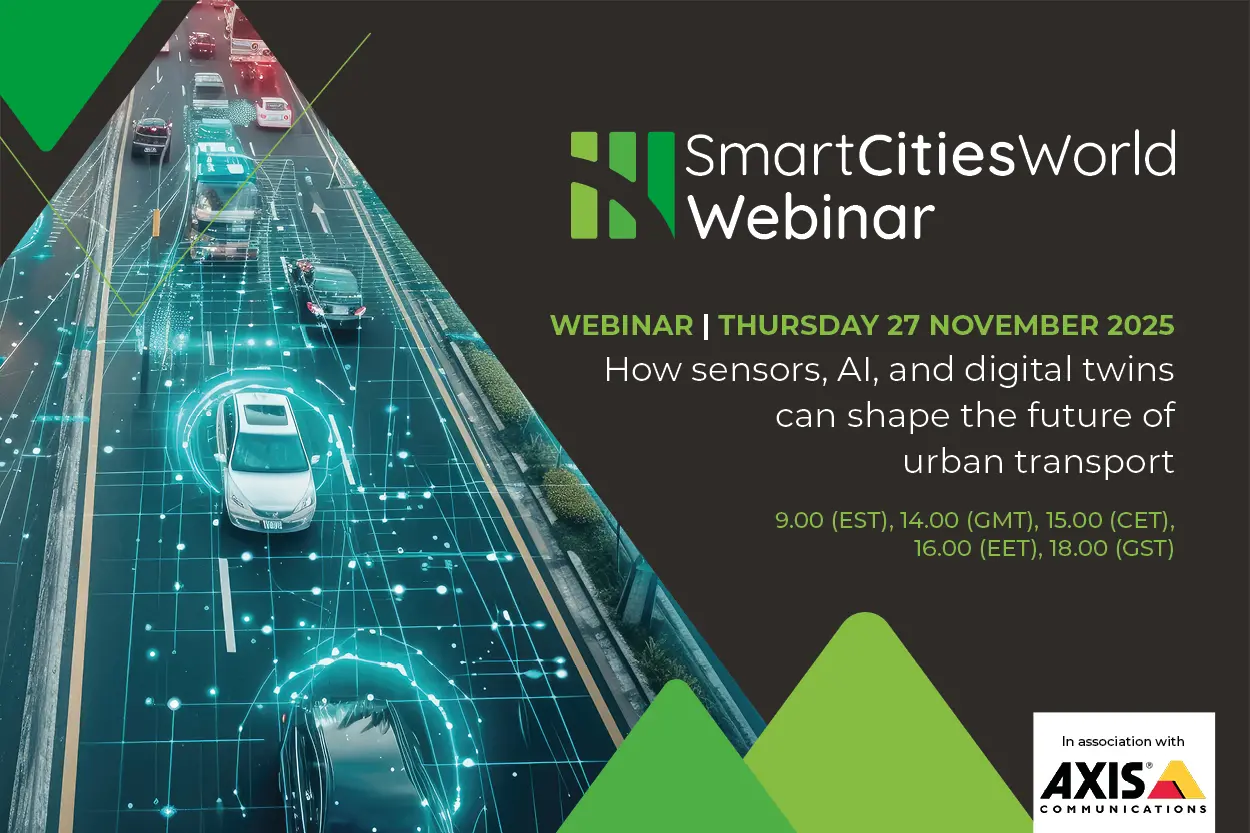
Urban transport systems worldwide are undergoing a profound transformation, driven by the convergence of sensor networks, artificial intelligence (AI), and digital twin technology. As cities grow denser and sustainability demands intensify, these innovations offer unprecedented opportunities to reimagine how people and goods move. This article synthesizes insights from leading experts, city profiles, and industry reports to paint a comprehensive picture of the current landscape and future trajectory.
The Rise of Digital Twins in Urban Transport
Digital twins—virtual replicas of physical systems—are emerging as a cornerstone of smart city initiatives. By integrating real-time data from sensors, IoT devices, and historical records, these models enable city planners to simulate traffic patterns, test infrastructure changes, and optimize operations without disrupting real-world systems. AI algorithms enhance these twins by predicting bottlenecks, suggesting adaptive signal timings, and even forecasting the impact of extreme weather events.
For urban transport, digital twins bridge the gap between planning and daily management. For instance, a city can use a digital twin of its road network to evaluate the effect of a new bike lane or bus rapid transit line before breaking ground. During operations, the twin can run thousands of scenarios to recommend rerouting strategies during emergencies or major events. This shift from reactive to proactive management is helping cities reduce congestion, lower emissions, and improve passenger experience.
Sensor Networks: The Nervous System of Smart Mobility
At the heart of any digital twin lies a dense web of sensors. From inductive loop detectors and cameras to LiDAR and environmental monitors, these devices collect everything from vehicle counts and speed to air quality and noise levels. Advanced sensor fusion techniques combine data from disparate sources to create a holistic view of the transport ecosystem.
One particularly innovative application is the use of smart streetlights as sensor hubs. By retrofitting existing lighting infrastructure with cameras, environmental sensors, and edge computing nodes, cities can create a distributed intelligence network. This approach not only reduces installation costs but also provides ubiquitous coverage. For example, streetlights can detect vacant parking spots, monitor pedestrian flows, or identify accidents in real time—all while consuming less energy thanks to LED upgrades.
However, deploying sensor networks at scale raises critical questions about cybersecurity and data privacy. As ITU’s Cristina Bueti emphasizes, “Cities must prioritise interoperability, inclusivity and human oversight now – before fragmented systems and vendor lock-in define the future of urban AI.” The risk is that proprietary solutions create silos that undermine the very agility digital twins promise. Open standards and secure data-sharing protocols are essential to ensure that sensor data flows seamlessly across city departments and third-party applications.
AI-Driven Operations: From Data to Decisions
Artificial intelligence is the engine that turns raw sensor data into actionable insights. Machine learning models can detect anomalies in traffic flow, predict peak demand periods, and even learn commuter preferences to personalize route suggestions. In urban transport, AI is being deployed in several key areas:
- Traffic Management: Adaptive signal control systems that use reinforcement learning to optimize light timings in real time, reducing waiting times and fuel consumption.
- Public Transit Optimization: Dynamic scheduling of buses and trains based on actual passenger loads, improving service reliability and reducing overcrowding.
- Maintenance Prediction: Predictive algorithms that forecast when rail tracks, signals, or vehicle components are likely to fail, enabling proactive maintenance and minimizing downtime.
- Safety and Security: Computer vision systems that detect jaywalking, near-miss incidents, or unattended luggage, alerting authorities instantly.
Cities like Sunderland are repositioning themselves as leading smart cities by embedding AI into their transport strategies. According to a recent SmartCitiesWorld City Profile, Sunderland’s approach combines digital infrastructure with low-carbon innovation to build a resilient, future-focused economy. The city has implemented an integrated transport management platform that fuses data from buses, parking, and traffic signals, using AI to prioritize public transport and reduce emissions.
Similarly, Dublin is innovating to improve experiences and services for its communities. The city’s digital twin projects encompass traffic reduction measures, such as congestion charging simulations, and economic growth initiatives that rely on accessible, efficient transport. Dublin’s efforts highlight the potential for digital twins to support not only mobility but also broader urban goals like job creation and social equity.
Challenges and Critical Considerations
While the promise of AI and digital twins is immense, several hurdles must be overcome to realize their full potential. Interoperability remains a top concern. Many cities operate legacy systems that were never designed to talk to each other. Retrofitting these systems with modern interfaces can be costly and complex. Moreover, vendor lock-in—where a single supplier provides proprietary hardware and software—can stifle innovation and create dependencies that harm long-term resilience.
Inclusivity is another critical dimension. Smart transport solutions must serve all demographics, including the elderly, disabled, and those without access to smartphones. Digital twins and AI models must be trained on representative data to avoid bias and ensure equitable outcomes. Human oversight remains essential, particularly when AI is used for enforcement decisions like speed cameras or red-light fines.
Cybersecurity risks also demand attention. As transport networks become more connected, the attack surface expands. A breach in a traffic management system could cause gridlock or, worse, lead to physical accidents. The “Cities Thriving on Lighting” series emphasizes that smart lighting networks, which often serve as sensor backbones, must be secure, interoperable, and future-proof. Best practices include encryption, regular security audits, and adherence to standards like those being developed by the ITU.
Real-World Applications and Expert Insights
The UN Virtual Worlds Day event, as explained by Paul Wilson, explores how we can turn AI, spatial intelligence, and the Citiverse ecosystem into trusted, people-centred outcomes. The concept of the “Citiverse”—a collective virtual representation of a city—bridges digital twins with augmented reality, allowing citizens to interact with urban data in immersive ways. This could transform how people participate in planning processes, from visualizing a new park to simulating the impact of a proposed development.
On the sensor front, smart sensor networks are improving indoor safety in transport hubs like airports and train stations. By detecting risks early—such as smoke, unauthorized access, or overcrowding—these systems enhance situational awareness and support healthier, more secure buildings. The same technology can be extended to outdoor spaces, using acoustic sensors to identify gunshots or glass breakage, and integrating with emergency response systems.
The OnDemand Trend Report Panel Discussion on “AI for resilient infrastructure” highlights how sustainable operations for future-ready cities depend on these technologies. Panelists from various sectors agreed that collaboration between private tech providers, public agencies, and research institutions is crucial. Similarly, the OnDemand COP30 Webinar titled “Unlocking climate finance: building city capacity and partnerships” underscores the need for financial mechanisms to support smart transport investments, especially in developing nations.
SmartCitiesWorld’s editorial newsletters (daily and weekly) curate the latest news, city interviews, special reports, and guest opinions, providing a continuous stream of best practices and case studies. For professionals in the field, staying abreast of these developments is key to navigating the rapidly evolving landscape of urban mobility.
Looking Ahead: The Road to Smarter Cities
As we move further into the 2020s, the integration of sensors, AI, and digital twins will become increasingly foundational to urban transport. The cities that succeed will be those that not only invest in technology but also foster a culture of data sharing, cross-departmental collaboration, and public engagement. The lessons from Sunderland, Dublin, and other pioneers demonstrate that progress is possible, but it requires deliberate action.
The risks of inaction are equally clear: without interoperability and inclusivity, cities risk creating a patchwork of disconnected systems that fail to serve all citizens. Without robust cybersecurity, they risk undermining trust and safety. And without human oversight, they risk ceding control to algorithms that may not align with public values.
Ultimately, the future of urban transport is not just about technology—it is about people. By harnessing sensors, AI, and digital twins responsibly, cities can shape more efficient, resilient, and sustainable mobility for generations to come. The journey has begun, and every city has a role to play in writing the next chapter.
Source: Smart Cities World News