

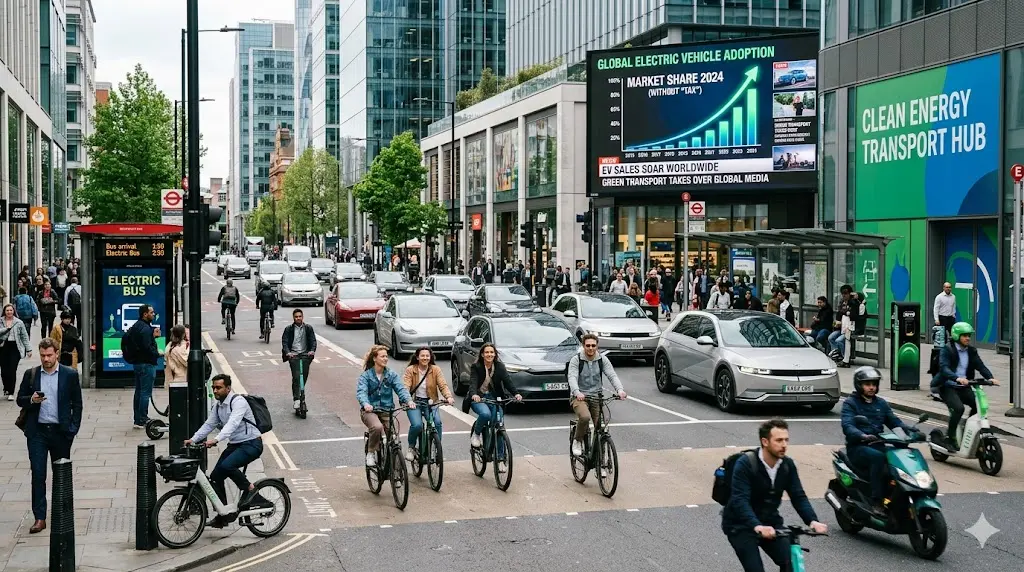
Electric mobility is dominating worldwide media trends because it sits at the intersection of technology, sustainability, economic growth, government policy, and consumer demand. From electric vehicles and charging networks to battery innovation and smart transportation systems, electric mobility has become one of the most discussed global topics across industries and news platforms.
Why is electric mobility dominating worldwide media trends? The answer is surprisingly simple: it affects how people travel, how businesses operate, and how governments plan for the future. Over the last few years, electric mobility has moved from being a niche concept to a mainstream conversation. News stories, industry reports, social discussions, and investment announcements all point toward the same direction.
Consumers are increasingly interested in cleaner transportation options, while companies are investing billions into electric vehicles, charging infrastructure, and battery technology. As a result, electric mobility has become one of the most influential transportation movements of the modern era.
What Is Electric Mobility?
Electric Mobility: The use of electrically powered transportation systems, including electric cars, buses, trucks, motorcycles, bicycles, and supporting charging infrastructure.
Electric mobility refers to transportation solutions that rely on electric power instead of traditional fossil fuels. While electric cars receive the most media attention, the sector extends far beyond passenger vehicles.
It includes:
Electric passenger vehicles
Electric buses
Electric commercial fleets
Electric scooters and bikes
Charging stations
Battery technologies
Smart mobility platforms
What makes electric mobility so newsworthy is that it impacts multiple sectors at once. Transportation, energy, manufacturing, technology, urban planning, and environmental policy are all connected to this transformation.
Here's the thing: very few innovations affect so many industries simultaneously. That's one reason media organizations continue covering the topic extensively.
Why Electric Mobility Matters in 2026
The year 2026 represents a turning point for the global transportation industry. Electric mobility is no longer viewed as a future possibility. In many markets, it's becoming the present reality.
Several factors explain why media coverage continues to grow.
Rising Consumer Adoption
Consumers are becoming more comfortable with electric vehicles. Improved battery range, expanding charging networks, and increased model availability have reduced many of the concerns that once slowed adoption.
In most cases, buyers are no longer asking whether electric vehicles work. They're asking which model best fits their lifestyle.
Government Support
Governments around the world continue introducing regulations and incentives designed to encourage cleaner transportation. These initiatives often generate major headlines because they influence both consumers and manufacturers.
Tax benefits, emissions targets, and infrastructure investments keep electric mobility in the public conversation.
Battery Innovation
Battery technology remains one of the biggest drivers of media attention. Every breakthrough in charging speed, energy density, or manufacturing efficiency creates new opportunities for the industry.
What most people overlook is that battery innovation affects much more than cars. It influences energy storage, renewable power systems, and entire supply chains.
Corporate Investment
Major corporations continue investing heavily in electric mobility projects. Automotive manufacturers, technology firms, logistics providers, and energy companies all view electrification as a long-term growth opportunity.
Whenever billion-dollar investments are announced, media coverage naturally follows.
Climate and Sustainability Goals
Environmental concerns remain a significant factor behind public interest. Electric mobility is frequently discussed as part of broader efforts to reduce emissions and improve air quality.
Whether someone supports environmental initiatives for ecological reasons or economic reasons, transportation remains a central topic in the conversation.
Expert Tip: When evaluating electric mobility trends, pay attention to charging infrastructure growth rather than vehicle sales alone. Infrastructure expansion often provides a stronger indicator of long-term market development.
How to Understand Electric Mobility Trends Step by Step
If you're trying to understand why electric mobility receives so much attention, follow this simple process.
1. Watch Consumer Behavior
Look at how people are changing their transportation choices. Increased interest in electric vehicles usually signals broader market shifts.
Consumer demand often drives media narratives.
2. Monitor Battery Developments
Battery technology remains the foundation of electric mobility. Improvements in charging speed, durability, and affordability frequently influence industry growth.
A single advancement can generate worldwide attention.
3. Follow Infrastructure Expansion
Charging stations are essential to widespread adoption. As networks expand, electric mobility becomes more practical for everyday users.
Infrastructure growth is often one of the strongest indicators of market maturity.
4. Track Government Policies
New regulations, incentives, and sustainability targets can dramatically influence adoption rates.
Media outlets closely follow these policy changes because they affect consumers and businesses alike.
5. Analyze Corporate Investments
Large-scale investments reveal where industry leaders believe future opportunities exist.
When global manufacturers increase electric mobility spending, the media usually responds quickly.
6. Observe Technology Integration
Electric mobility increasingly overlaps with artificial intelligence, connected vehicles, autonomous driving systems, and smart cities.
This convergence creates even more newsworthy developments.
Common Mistake: Assuming Electric Mobility Is Only About Cars
One of the biggest misconceptions is that electric mobility refers exclusively to passenger vehicles.
That's not accurate.
Electric buses are transforming public transportation. Delivery companies are electrifying fleets. Cities are expanding electric bike programs. Even industrial transportation systems are undergoing significant changes.
Focusing only on cars means missing a large portion of the story.
Why Media Organizations Focus So Heavily on Electric Mobility
Electric mobility generates media attention because it combines several powerful narratives into one topic.
First, there's the technology angle. New innovations attract readers.
Second, there's the economic angle. Massive investments and job creation opportunities create business news.
Third, there's the environmental angle. Sustainability discussions remain highly relevant across global audiences.
Finally, there's the consumer angle. Millions of people are making transportation decisions that could be influenced by electric mobility developments.
Very few industries can claim that level of relevance across multiple audience groups.
The Surprising Reason Coverage Keeps Growing
Many people assume environmental concerns are the primary reason electric mobility dominates headlines.
That certainly plays a role.
However, the more surprising factor may be competition.
Automakers, technology companies, battery manufacturers, and energy providers are all competing for leadership positions. Competition creates announcements, product launches, partnerships, and investments. Those events generate news.
From what I've seen, industry competition often drives more media coverage than sustainability discussions alone.
When companies race to gain market share, journalists have a steady stream of stories to cover.
Expert Tips: What Actually Works for Understanding the Industry
If you're a business owner, investor, marketer, or industry observer, focusing on headlines alone isn't enough.
In my experience, the most useful insights come from identifying patterns rather than reacting to individual announcements.
Pay attention to:
Charging network growth
Fleet electrification programs
Battery manufacturing expansion
Public transportation electrification
Regulatory developments
Supply chain investments
These indicators often reveal where the industry is heading before mainstream coverage catches up.
Expert Tip: A market isn't truly entering mass adoption when products become available. It reaches that stage when supporting infrastructure becomes widely accessible.
A Realistic Example
Imagine a logistics company operating hundreds of delivery vehicles.
Five years ago, switching to electric vehicles might have seemed risky due to charging limitations.
Today, improved battery performance and expanding charging infrastructure make fleet electrification far more practical. The company reduces operating costs, improves sustainability metrics, and gains positive public exposure.
Stories like this appear across industries, which helps explain why electric mobility remains a dominant media topic.
People Most Asked About Why Electric Mobility Is Dominating Worldwide Media Trends
Why is electric mobility receiving so much media attention?
Electric mobility affects transportation, technology, energy, manufacturing, and environmental policy simultaneously. Its broad impact makes it relevant to diverse audiences and industries.
Are electric vehicles the only part of electric mobility?
No. Electric mobility also includes buses, trucks, bikes, scooters, charging infrastructure, battery technology, and smart transportation systems.
Will electric mobility continue growing after 2026?
Current trends suggest continued growth due to ongoing investments, technological improvements, government initiatives, and consumer demand.
What role do batteries play in electric mobility?
Batteries serve as the foundation of electric transportation. Advances in battery technology improve vehicle range, charging speed, affordability, and overall performance.
How does electric mobility impact businesses?
Businesses can benefit through reduced operating costs, sustainability improvements, regulatory compliance, and new market opportunities.
Why are governments supporting electric mobility?
Governments often support electric mobility to reduce emissions, improve air quality, strengthen energy security, and encourage innovation.
Is charging infrastructure more important than vehicle sales?
Many analysts believe infrastructure development is a critical indicator of long-term market success because it directly influences adoption rates.
Final Thoughts
The reason electric mobility is dominating worldwide media trends comes down to influence. It touches technology, economics, sustainability, public policy, consumer behavior, and business strategy all at once. As innovation continues and adoption expands, media attention is likely to remain strong. For organizations, consumers, and investors, understanding electric mobility is no longer optional—it has become an essential part of understanding the future of transportation.
If you need stronger online visibility, our network offers press release distribution services and digital marketing services designed to help businesses, agencies, startups, and SEO professionals achieve greater brand visibility, high authority backlinks, improved SEO ranking, wider media coverage, and sustainable organic traffic. With instant publishing solutions and strategic promotion opportunities, companies can expand their online presence while building credibility across competitive markets.