

This week's tech landscape is packed with developments that signal major shifts in consumer technology. From AI integration in smart homes and cars to privacy and safety recalls, here is an in-depth look at each story.
Gemini's Continued Conversation Feature Brings AI to Smart Homes
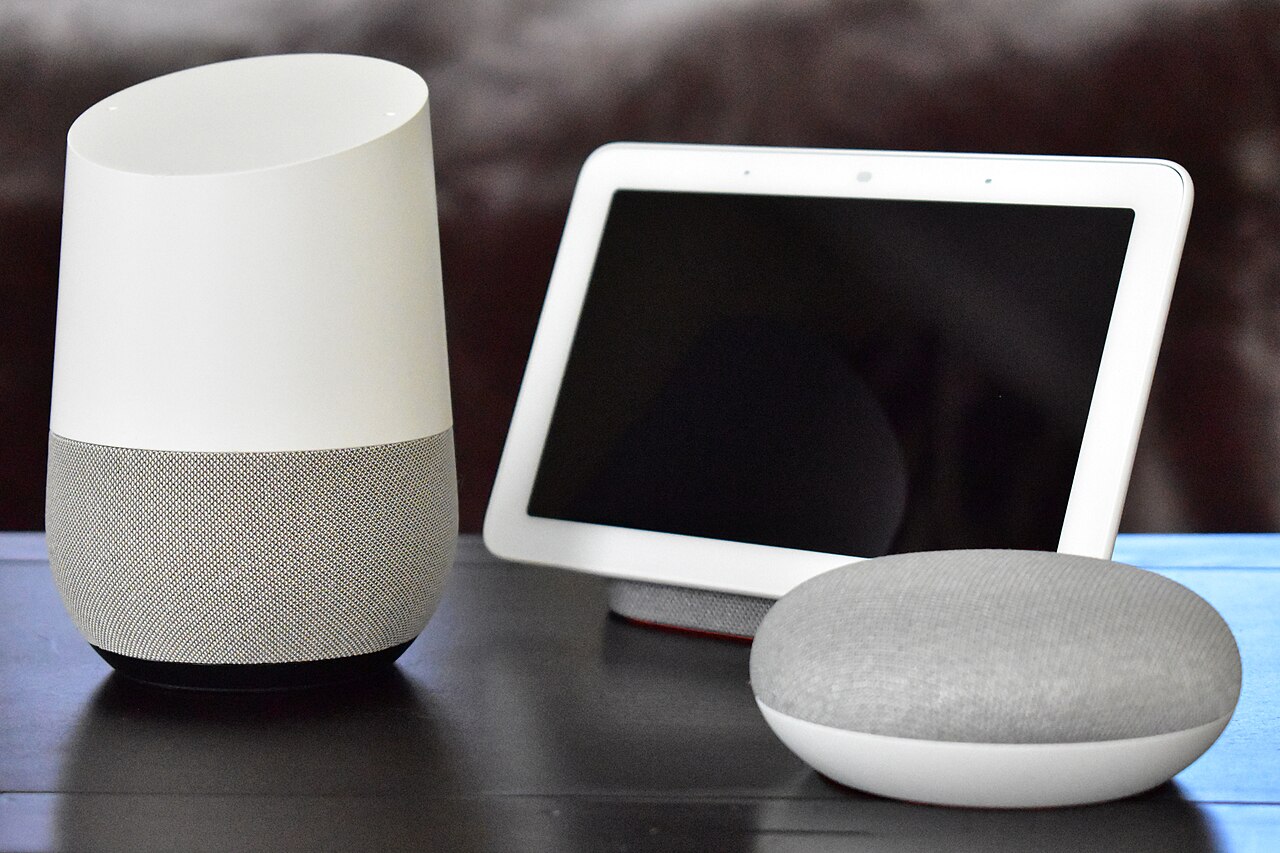
Google's Gemini AI is evolving with a new 'Continued Conversation' feature that makes interactions more natural and practical for smart home environments. Unlike previous iterations that required a wake word for each command, Gemini can now maintain context across multiple requests. This advancement allows users to ask follow-up questions or chain commands without repeating themselves, much like Amazon's Alexa or Apple's Siri have attempted in the past. The feature leverages large language models to understand conversational flow, enabling tasks such as setting timers, controlling lights, and checking weather in a seamless dialogue. However, privacy advocates are raising concerns about always-listening capabilities, though Google assures that data handling complies with strict opt-in policies. This update positions Gemini as a stronger competitor in the smart home assistant market, especially as Google integrates it into Nest devices.
Fitbit App Rebrands to Google Health with AI Coaching
Fitbit's app is undergoing a significant transformation, rebranding as Google Health while placing AI-driven coaching at the core of the experience. The change reflects Google's long-term strategy to unify its health and fitness offerings under a single platform. Users will now see personalized workout and wellness recommendations generated by machine learning algorithms that analyze activity patterns, sleep quality, and heart rate variability. This move builds on Google's acquisition of Fitbit in 2021, which faced regulatory scrutiny over data privacy. The new app aims to compete with Apple Health and Samsung Health by offering deeper insights and automated coaching plans. Existing Fitbit hardware remains compatible, but the software overhaul signals a shift away from manual logging toward predictive health management. Critics worry about the consolidation of health data under a single corporate entity, though Google emphasizes encryption and user control over sharing.
Amazon Extends Price History Tool to One Year for Better Deal Transparency
Amazon has quietly updated its price history tool to display fluctuations over a full year, a major improvement from the previous 30-day window. This change provides shoppers with much-needed transparency when evaluating deals, especially during events like Prime Day or Black Friday, where discounts can be misleading. The tool, accessible via the product page, shows a line graph of price changes, helping users identify genuine bargains versus artificially inflated list prices. This feature was initially available through third-party browser extensions, but Amazon's native integration makes it easier for casual shoppers to use. The extension aligns with growing consumer demand for price transparency, a trend amplified by inflation and economic uncertainty. Retailers have historically resisted such tools, but Amazon's adoption may pressure competitors like Walmart and Target to follow suit. For budget-conscious users, the one-year history can also reveal seasonal pricing patterns, aiding in purchase timing.
Google's Gemini Car Rollout Brings AI to the Dashboard
Google is integrating its Gemini AI directly into vehicle dashboards, a move that could redefine in-car infotainment systems. The rollout, initially focused on Android Automotive OS, allows drivers to use natural language for navigation, music control, and even vehicle diagnostics. Unlike traditional voice assistants, Gemini can handle complex queries like 'Find a nearby Italian restaurant with outdoor seating and high ratings' and then offer turn-by-turn directions without further input. The feature also supports context-sensitive commands, such as adjusting climate control based on weather data. Automotive partners include Ford, GM, and Volvo, though specific models have not been named. This development comes as Tesla's full self-driving system faces regulatory hurdles and Apple's Project Titan reportedly slows down. By embedding AI directly into the dashboard, Google aims to create a seamless ecosystem that rivals smartphone mirroring. Privacy remains a concern, as in-car microphones and cameras raise potential for data collection, but Google promises processing is done locally when possible.
Samsung's Response to Meta's Ray-Ban Smart Glasses Leaked in Images
Leaked images suggest Samsung is developing smart glasses to compete with Meta's Ray-Ban collaboration. The concept, revealed through regulatory filings and insider reports, features a sleek frame with integrated cameras, microphones, and a small display in the corner of the lens. Unlike Meta's audio-only approach, Samsung's glasses are rumored to support augmented reality overlays for navigation, notifications, and real-time translation. The design appears heavily influenced by Samsung's Galaxy ecosystem, with expected compatibility with Galaxy phones and wearables. The leak also mentions a partnership with a major eyewear brand, though the name has not been disclosed. This move positions Samsung to capture the growing smart eyewear market, which analysts predict will reach $30 billion by 2030. However, challenges remain, including battery life, social acceptance, and privacy concerns similar to those faced by Google Glass. Samsung's history with wearables, such as the Galaxy Watch and Gear VR, gives it an edge, but it will need to differentiate from Meta's broader ecosystem.
Apple Patches iPhone Bug Used by Police to Recover Deleted Chats
Apple has released a security patch for an iPhone bug that was actively exploited by law enforcement to recover deleted iMessage chats. The vulnerability, which affected iOS 16 and some versions of iOS 17, allowed forensic tools to bypass Apple's encryption and access deleted data from the device's storage. Apple acknowledged the issue in a quiet security update, urging users to update immediately. The patch addresses a flaw in the messaging database where deleted entries were not fully overwritten, leaving remnants accessible with specialized software. This incident reignites the long-standing debate over encryption and law enforcement access. Privacy advocates argue that such backdoors, even unintended, undermine user trust. Meanwhile, police agencies claim that recovering deleted messages is crucial for solving serious crimes. Apple's track record on privacy is strong, but this bug shows that no system is perfect. Users are advised to regularly update their devices and consider enabling iMessage's disappearing message feature for sensitive conversations.
Amazon Ending Support for Older Kindles Shows Hidden Cost of Digital Ownership
Amazon has announced that it will end support for several older Kindle models next month, preventing them from accessing the Kindle Store or syncing with the cloud. Affected devices include the Kindle (1st generation), Kindle 2, Kindle DX, and others released before 2010. While users can still read books already downloaded, they will lose the ability to purchase new titles, access reading progress across devices, or use Goodreads integration. This move highlights a controversial reality of digital ownership: products labeled as 'forever' often come with an expiration date when companies decide to stop supporting legacy hardware. Amazon cites security vulnerabilities and outdated software that cannot be patched. However, critics argue that the changes were made to push users toward newer models and the Kindle Unlimited subscription service. The decision also raises questions about e-waste, as functional devices become obsolete. For long-time Kindle owners, this is a reminder to download and back up purchases regularly, though Amazon's DRM limits true portability.
Casely Power Banks Recalled After Mid-Flight Explosion Incident
Casely, a popular accessories brand, has issued a recall of its power banks following an incident where one exploded mid-flight on a commercial airline. The affected models include the 10,000mAh and 20,000mAh versions sold between 2022 and 2023. The recall, conducted in partnership with the U.S. Consumer Product Safety Commission, cites a manufacturing defect that can cause overheating and fires. Passengers on the flight reported smoke and flames, leading to an emergency landing with no injuries. Casely is offering full refunds or replacements with a redesigned version. This is the second recall for the brand in two years, following a previous issue with battery swelling. The incident underscores the importance of safe lithium-ion battery design, especially in portable electronics. Airlines have strict rules about carrying power banks in carry-on luggage due to fire risks. Consumers are urged to stop using the recalled units immediately and to check for swollen or hot batteries. Brands like Anker and RavPower have faced similar recalls, but the frequency raises concern about quality control in the fast-growing power bank market.
These stories illustrate a common thread: technology is becoming more intelligent and integrated, but with that comes new vulnerabilities and ethical dilemmas. From AI to privacy to product safety, the tech industry continues to evolve rapidly, demanding that consumers stay informed and cautious.
Source: Techopedia News