

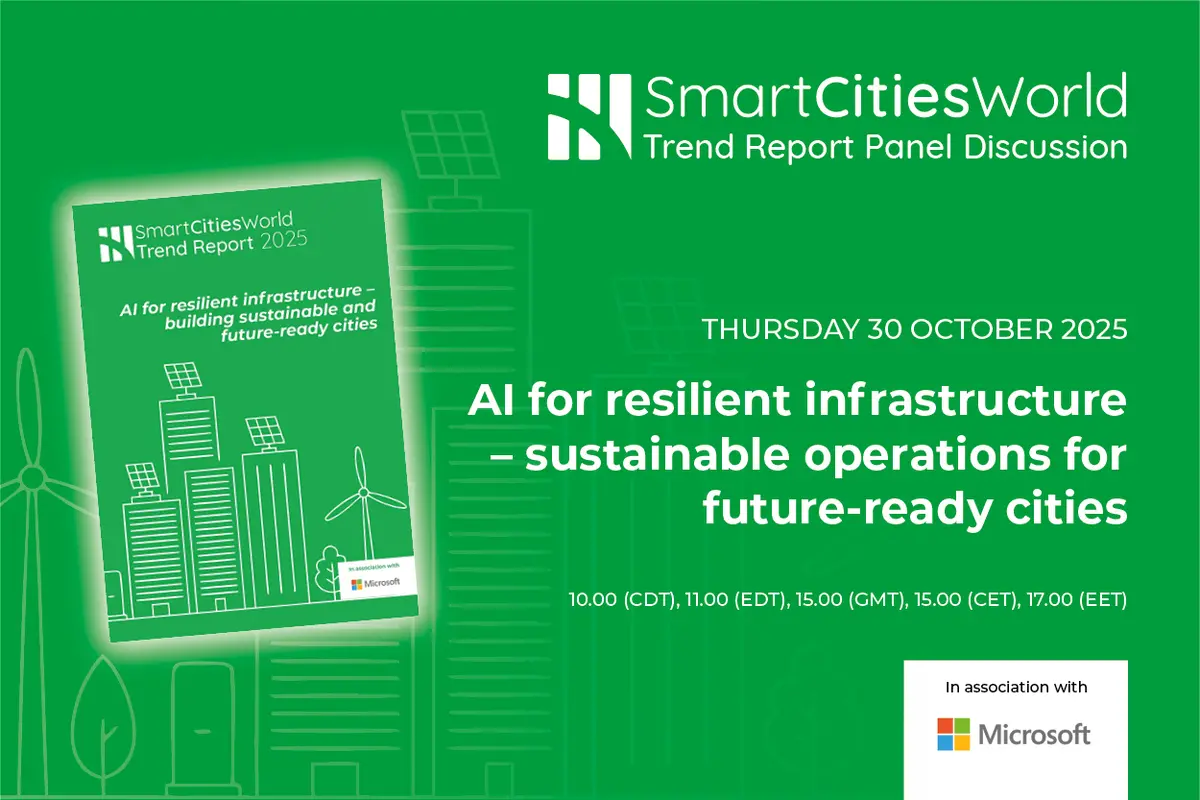
The rapid pace of urbanization demands innovative solutions for managing complex infrastructure systems. Artificial Intelligence (AI) and digital twin technologies are emerging as critical tools for building resilient, efficient, and sustainable cities. This article extracts the headline and key facts from a recent trend report panel discussion, exploring how these innovations are being applied across urban transport, data integration, security, and city planning.
AI-Powered Digital Twins in Urban Transport
Urban transport networks are leveraging data and AI to enhance planning, daily operations, and community outcomes. Digital twins—virtual replicas of physical systems—allow city planners to simulate traffic flows, predict maintenance needs, and optimize routes. For example, sensors and real-time data feed into AI models that adjust traffic signals to reduce congestion. These technologies not only improve efficiency but also help reduce emissions and enhance passenger experiences. Key facts include: AI enables predictive analytics for rail and bus networks, leading to fewer delays and lower operational costs. Cities like Dublin have reported a 15% reduction in traffic congestion after implementing AI-driven traffic management systems.
Integrating Fragmented Urban Systems
Cities are racing to connect data sources, tighten cybersecurity, and harness AI. Historically, urban services like water, energy, and waste management operated in silos. Now, integrated platforms combine these systems into smarter, more responsive networks. For instance, AI can analyze data from smart meters to detect water leaks or predict energy demand. However, interoperability remains a challenge. ITU’s Cristina Bueti emphasizes that cities must prioritize interoperability, inclusivity, and human oversight now—before vendor lock-in and fragmented systems become entrenched. Key fact: Without proactive standards, cities risk creating isolated digital ecosystems that hinder innovation and equity.
City Profiles: Sunderland and Dublin
Sunderland is repositioning itself as a leading smart city by investing in digital infrastructure and low-carbon innovation. The city’s strategy focuses on building a resilient economy through initiatives like the Smart City Living Lab and the Sunderland Digital Strategy. Key facts include: partnerships with Siemens and other tech firms to deploy IoT sensors across the city, and a goal to achieve carbon neutrality by 2040. Similarly, Dublin is using digital twin projects to improve urban experiences and services. Dublin’s City Dashboard integrates data from transport, energy, and environment to support decision-making. The city has also launched a traffic reduction program that uses AI to manage congestion, contributing to economic growth and better air quality.
Smart Lighting and Cybersecurity
The final episode of the “Cities Thriving on Lighting” series explores how global cities approach smart lighting and associated cybersecurity risks. Smart streetlights are becoming nodes of urban data networks, collecting information on air quality, noise, and pedestrian movement. However, they also create new attack surfaces. Key facts: Cities must implement encryption, regular firmware updates, and network segmentation to protect these systems. The second episode of the series details how cities can turn existing streetlight networks into secure, interoperable, and future-proof infrastructure. This involves retrofitting LED fixtures with sensors, using open standards, and adopting zero-trust security models. Some cities have reduced energy costs by up to 50% while enhancing public safety through adaptive lighting.
UN Virtual Worlds Day and the Citiverse Ecosystem
The United Nations Virtual Worlds Day event highlights the potential of AI, spatial intelligence, and the Citiverse—a collective virtual space for urban planning. Paul Wilson explains that these technologies can be used to create trusted, people-centered outcomes. Key facts include: the event brings together policymakers, technologists, and community representatives to discuss ethical frameworks for digital twins. The Citiverse allows citizens to visualize proposed developments and provide feedback, improving democratic participation. However, achieving wide adoption requires addressing issues of digital divide and data sovereignty.
Smart Sensor Networks for Indoor Safety
Beyond outdoor infrastructure, smart sensor networks improve indoor safety by detecting risks such as fire, gas leaks, or structural weaknesses early. AI-powered analytics enhance situational awareness, enabling proactive responses. Key facts: In commercial buildings, sensors monitor temperature, humidity, and air quality, supporting healthier environments. For example, sensors can detect abnormal temperature rises that indicate a fire risk before it spreads. These systems also contribute to sustainability by optimizing energy use based on occupancy. The integration of sensors with digital twins allows facility managers to simulate emergency scenarios and train staff effectively.
OnDemand Webinars and Newsletters
The panel discussion also promoted two on-demand webinars: “Getting your data strategy right for smarter sites and safer operations” and “How sensors, AI, and digital twins can shape the future of urban transport.” These sessions provide deeper dives into data governance and the practical implementation of AI in mobility. Additionally, SmartCitiesWorld offers daily and weekly newsletters that compile the latest news, interviews, special reports, and guest opinions directly to professionals’ inboxes. These resources are essential for staying updated on best practices and case studies from cities around the world.
In summary, AI and digital twins are not just futuristic concepts; they are being deployed today to make urban infrastructure more resilient, efficient, and sustainable. From transportation to lighting, data integration to cybersecurity, cities must approach these technologies with interoperability, inclusivity, and human oversight as guiding principles. The examples of Sunderland, Dublin, and global smart lighting initiatives demonstrate that with the right strategy, cities can turn fragmented systems into seamless, responsive services that improve quality of life for all residents.
Source: Smart Cities World News