

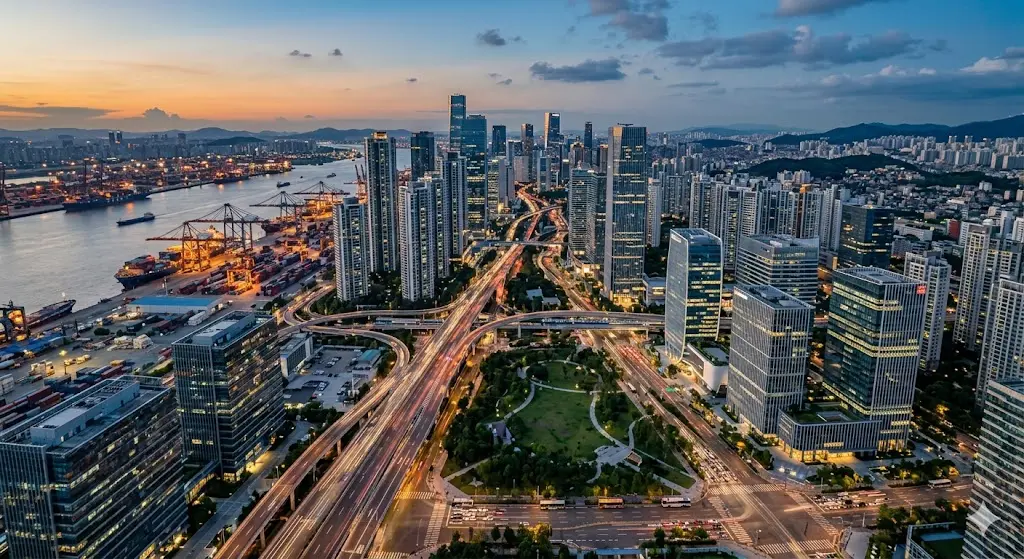
Urbanisation is reshaping international investment trends because growing cities create demand for infrastructure, housing, technology, transportation, healthcare, and sustainable development. Investors increasingly follow population growth and urban expansion, directing capital toward regions where economic activity and consumer spending are concentrated.
Why Urbanisation Is Reshaping International Investment Trends is a question attracting significant attention from economists, policymakers, and global investors. As millions of people continue moving into cities, investment patterns are changing in ways that were difficult to imagine just a few decades ago.
Here's the thing: investors don't simply follow markets anymore. They follow people. When urban populations grow, businesses expand, infrastructure projects multiply, and entirely new investment opportunities emerge. From real estate and transportation systems to renewable energy and digital infrastructure, urbanisation is influencing where international capital flows and why investors are rethinking traditional strategies.
What Is Urbanisation and Why Is It Influencing International Investment Trends?
Urbanisation: The process through which increasing numbers of people move from rural areas into cities, leading to urban growth and economic transformation.
Urbanisation has been a defining economic force for decades. However, its influence on international investment trends has accelerated due to technological advancement, globalization, and changing consumer behavior.
Cities serve as economic engines. They attract talent, encourage innovation, and create large consumer markets. As urban centers expand, investors often identify opportunities for long-term growth.
What most people overlook is that urbanisation doesn't simply increase demand for buildings. It reshapes entire economic ecosystems. New transportation networks are required. Energy systems must expand. Digital connectivity becomes essential. Financial services grow rapidly.
All of these developments attract investment capital.
For investors seeking growth opportunities, urbanisation often acts as a signal indicating future economic activity.
Why Urbanisation Is Reshaping International Investment Trends in 2026
The relationship between urban growth and investment decisions has become even stronger in 2026.
Population growth alone isn't the whole story. Modern cities are becoming centers of innovation, technology adoption, and consumer spending.
Several factors explain why investors are paying close attention.
Expanding Infrastructure Demand
Growing cities require roads, bridges, rail systems, airports, utilities, and telecommunications networks.
International investors frequently view infrastructure projects as long-term assets capable of generating stable returns over extended periods.
Many governments are partnering with private investors to finance urban development projects, creating additional opportunities.
Rising Consumer Markets
Urban populations tend to have higher purchasing power than rural populations.
As cities expand, demand increases for retail services, healthcare, financial products, entertainment, and digital services.
This trend attracts foreign direct investment into multiple sectors simultaneously.
Technology Concentration
Innovation frequently clusters in urban areas.
Technology startups, research centers, and skilled professionals often gather in major cities, creating environments where investment capital can generate higher growth.
I've noticed that many investors now evaluate cities almost like companies. They look at talent pools, infrastructure quality, business regulations, and innovation potential before allocating capital.
Sustainability Investment
Cities consume significant resources and face environmental challenges.
This has accelerated investments in clean energy, smart infrastructure, energy-efficient buildings, and sustainable transportation systems.
Ironically, urbanisation can create environmental pressure while simultaneously driving investment in environmental solutions.
That's a bit of a paradox, but it's happening right now.
Expert Tip: Investors often focus on headline economic growth figures. Yet city-level growth indicators sometimes reveal opportunities before national data does.
How Urbanisation Influences International Investment Decisions
Understanding the investment process helps explain why urbanisation attracts global capital.
1: Investors Analyze Population Growth
Growing populations indicate future demand.
Investors examine migration patterns, demographic changes, and urban expansion rates to identify promising regions.
2: Economic Activity Is Evaluated
Population growth alone isn't enough.
Investors assess employment trends, business formation rates, income growth, and productivity levels within urban centers.
3: Infrastructure Needs Are Identified
Cities experiencing rapid expansion often require major infrastructure upgrades.
Transportation systems, utilities, and communication networks frequently become investment targets.
4: Sector Opportunities Are Prioritized
Not every industry benefits equally.
Real estate, logistics, healthcare, technology, renewable energy, and financial services often receive increased attention.
5: Long-Term Risk Is Assessed
Political stability, regulatory environments, environmental risks, and governance standards influence investment decisions.
Successful investors balance growth opportunities against potential risks.
6: Capital Is Allocated
Once opportunities and risks are evaluated, investment funds are directed toward projects, companies, or markets expected to benefit from urban growth.
How Urbanisation Is Transforming Real Estate Investment
Real estate remains one of the clearest examples of urbanisation-driven investment.
As cities expand, demand for residential housing, commercial offices, logistics centers, and mixed-use developments increases.
A realistic example might involve a rapidly growing metropolitan area attracting technology companies. New jobs increase housing demand. Retail businesses follow. Transportation infrastructure expands. Property values rise as economic activity grows.
International investors frequently view such markets as opportunities for long-term appreciation.
However, here's what many investment guides miss.
Rapid urban growth can sometimes create oversupply if development outpaces demand. Smart investors evaluate both population growth and market fundamentals before making decisions.
Why Infrastructure Is Becoming a Global Investment Priority
Infrastructure investment has become a cornerstone of urban development strategies worldwide.
Cities cannot function efficiently without reliable transportation, energy systems, water networks, and digital connectivity.
International investment funds increasingly allocate resources toward infrastructure because these assets often provide predictable cash flows.
In my experience, infrastructure tends to attract investors seeking stability rather than explosive growth. That's not necessarily exciting, but it can be effective over long investment horizons.
Projects involving smart cities, renewable energy grids, and public transportation networks are attracting considerable attention.
Urbanisation continues to strengthen this trend.
Common Misconception: Bigger Cities Always Create Better Investment Opportunities
This belief sounds logical, but reality is more complicated.
Many investors assume the largest cities automatically offer the highest returns.
Not always.
Some emerging secondary cities experience faster growth than established metropolitan centers. Lower operating costs, improving infrastructure, and expanding populations can create attractive investment environments.
A counterintuitive finding is that mid-sized urban centers sometimes outperform larger cities from an investment perspective because growth starts from a lower base.
Investors who focus only on major urban hubs may overlook significant opportunities elsewhere.
Expert Tip: Pay attention to urban corridors and regional growth clusters. Economic activity increasingly spreads beyond traditional city centers.
Expert Tips and What Actually Works
If you're trying to understand how urbanisation affects investment markets, focus on long-term structural trends rather than short-term headlines.
First, monitor demographic shifts. People drive demand.
Second, evaluate infrastructure development plans. Cities investing in transportation and digital connectivity often create favorable conditions for business growth.
Third, look beyond real estate.
Urbanisation influences healthcare, technology, logistics, renewable energy, education, and financial services.
Here's my personal opinion: too many investors still treat urbanisation as a real estate story. It's much broader than that. The biggest opportunities often emerge in industries supporting urban populations rather than the buildings themselves.
Another observation I've made is that successful investors tend to think decades ahead. Urbanisation unfolds gradually, but its economic impact can be enormous over time.
People Most Asked About Urbanisation and International Investment Trends
How does urbanisation affect foreign investment?
Urbanisation creates larger consumer markets, stronger business ecosystems, and increased infrastructure demand. These factors often attract foreign direct investment across multiple sectors.
Which industries benefit most from urbanisation?
Real estate, infrastructure, transportation, healthcare, technology, logistics, renewable energy, and financial services commonly benefit from urban growth.
Why do investors prefer growing cities?
Growing cities typically generate higher demand for goods, services, housing, and infrastructure. This can create opportunities for revenue growth and asset appreciation.
Does urbanisation increase investment risk?
Not necessarily. Urbanisation can reduce certain risks by supporting economic diversification, although rapid growth may create challenges related to affordability, congestion, and environmental pressure.
How does urbanisation influence real estate markets?
Population growth increases demand for residential, commercial, and industrial properties. Strong demand can support development activity and property values.
Are emerging cities attracting international investors?
Yes. Many investors are increasingly exploring secondary and emerging urban centers where growth rates may exceed those of established metropolitan regions.
What role does sustainability play in urban investment?
Sustainability has become a major consideration. Investors often support projects focused on clean energy, efficient transportation, green buildings, and environmental resilience.
Final Thoughts
Why Urbanisation Is Reshaping International Investment Trends comes down to a simple reality: people, businesses, and economic activity continue to concentrate in cities. As urban populations expand, demand for infrastructure, housing, technology, healthcare, and sustainable development grows alongside them. Investors who understand these long-term shifts are often better positioned to identify emerging opportunities and adapt to the changing global economy.
Our network helps businesses, agencies, startups, and SEO professionals expand their reach through online press release distribution and local SEO services. Gain high authority backlinks, improve SEO ranking, strengthen brand visibility, and attract more organic traffic with instant publishing solutions designed to maximize media coverage and long-term digital growth.