

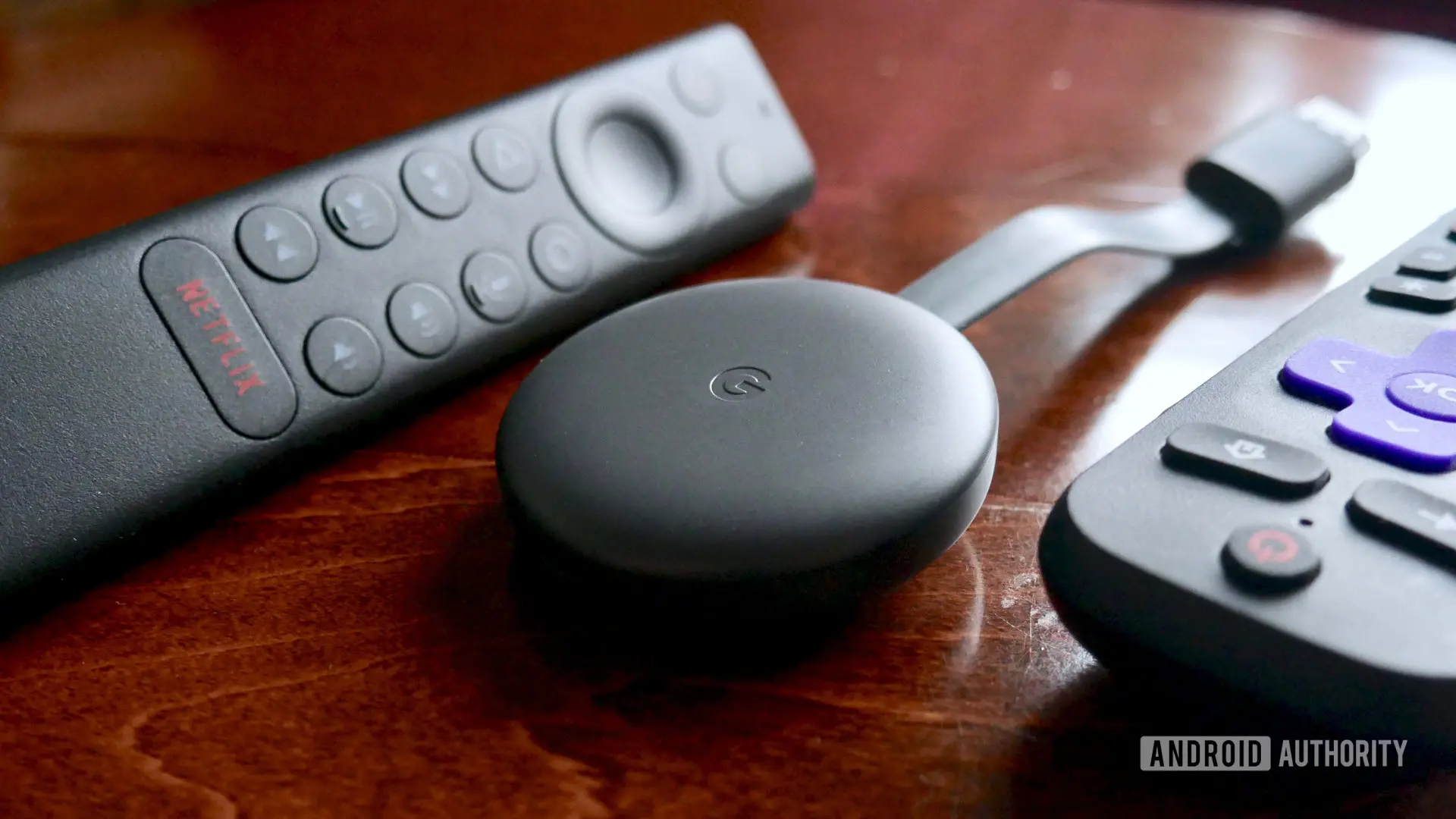
There is arguably no single product more responsible for ushering in our modern era of TV streaming than Google’s humble little Chromecast. With a few bucks and an HDMI port, anybody could transform their dumb TV into a modern streaming marvel — or just sidestep their smart TV’s disappointing built-in apps. Recently, though, a concerning number of users have been reporting problems with streaming to Chromecasts, and we were starting to fear this was the end of an era. Today we’ve got some good news, though, as Google shares an update on the situation.
The Outage That Sparked Panic
Earlier this week, reports started piling up of Chromecast users unable to stream to their hardware. The issue first surfaced on Reddit and other social media platforms, where users described a sudden inability to cast from popular apps like Netflix, YouTube, and Spotify. The symptoms were consistent: the cast icon would appear, but tapping it would either do nothing or result in an error message. Panic quickly spread, with many assuming that Google had finally pulled the plug on its aging streaming lineup. Speculation ran rampant: Was this a deliberate shutdown? A sign that newer streaming devices had made Chromecast obsolete?
However, as the hours passed, some users reported that their devices suddenly started working again, hinting that the problem might be fixable rather than permanent. This gave hope to the thousands of owners still staring at frozen screens. And indeed, Google soon acknowledged the issue. Over on one of the Reddit threads where we first saw users reporting their problems, Google chimed in last night: "We are investigating an issue impacting the ability to cast some services on Chromecast devices. We’ll circle back with an update as soon as we can. Thank you for your patience."
Google’s Response and Resolution
At first, we may have been reading a little more than we should have into that, but the fact that this wasn’t immediately dismissed with a final goodbye gave reason to feel optimistic. Then, earlier this afternoon, Google delivered the news everyone wanted to hear: "The issue impacting the ability to cast some services to Chromecast devices has been resolved." The fix appears to have been deployed server-side, meaning no firmware update or user action was required. For the vast majority of users, Chromecast functionality has been fully restored. Google has asked anyone still experiencing problems to contact them, suggesting that a few edge cases may still need attention.
Why This Incident Hits Hard
Chromecast holds a special place in the history of streaming. Launched in 2013, it was one of the first devices to make streaming truly accessible. For just $35, users could cast content from their phone or browser directly to their TV. It bypassed the need for expensive set-top boxes and complex smart TV interfaces. Over the years, Google expanded the lineup with Chromecast Audio, Chromecast Ultra (which supported 4K and HDR), and eventually Chromecast with Google TV (which added a full operating system and remote). Despite these newer models, the original Chromecast and its first-generation successors remain in millions of homes, still actively used for basic casting.
But the writing has been on the wall for some time. In 2023, Netflix began blocking casting to first- and second-generation Chromecast devices and Chromecast Audio, citing security and performance concerns. This move angered many users and signaled that app support for older hardware was dwindling. Then, in early 2024, a separate casting issue affected users of the Chromecast with Google TV, though that was quickly patched. Each incident feeds a growing fear that the platform is being slowly deprecated. However, Google has consistently maintained that Chromecast remains a supported product, even if its software update policy is vague.
The Technical Side: What Probably Happened
While Google has not disclosed the exact root cause, industry experts suspect the outage was related to an authentication or certificate issue. Casting relies on a secure handshake between the sender (phone or computer) and the receiver (Chromecast) mediated by Google’s cloud services. If those services experience a hiccup—such as an expired certificate or a misconfigured server—the entire ecosystem can fail. This type of problem can appear catastrophic but is often resolved without touching the devices themselves. The fact that Google fixed it within a day suggests a configuration rollback or a certificate renewal.
From a broader perspective, this incident highlights the fragility of cloud-dependent hardware. Chromecast devices are essentially dumb terminals—they have minimal local intelligence and depend entirely on Google’s infrastructure. When that infrastructure stutters, users are powerless. Unlike a traditional TV or Blu-ray player, a Chromecast can become a brick without warning. This is the trade-off for its simplicity and low cost.
What This Means for the Future
For now, Chromecast lives to fight another day. The rapid fix reassures users that Google still has an interest in maintaining its older streaming devices, at least for the time being. However, the future of the lineup remains uncertain. Google has not announced a new Chromecast model since the Chromecast with Google TV in 2020, and the market has shifted toward smart TVs with built-in Google TV or Android TV. Additionally, competitors like Roku, Amazon Fire TV, and Apple TV offer more polished experiences. Still, the Chromecast brand has a loyal following, especially among users who prefer casting over traditional remotes and those who want a minimal setup.
One key takeaway from this incident is that users should have a backup plan. Whether it’s a spare streaming stick, a smart TV app, or even an HDMI cable for direct connection, relying solely on a device that could lose server support at any moment is risky. Google’s quick fix was lucky, but not every outage will end so well. For critical viewing—like live sports or important news—a secondary method is wise.
On the plus side, this event has reignited conversation about the value of older hardware and the importance of open standards. Some tech enthusiasts are exploring open-source alternatives like Plex, Jellyfin, or even DIY Raspberry Pi setups that give users full control over their streaming. However, these solutions lack the simplicity and convenience that made Chromecast popular in the first place.
The Human Impact
Beyond the technical details, the Chromecast outage affected real people in tangible ways. Teachers who use Chromecast to show educational videos in classrooms suddenly lost that ability. Families who rely on streaming for movie nights were left scrambling for alternatives. Elderly users, who often find Chromecast easier to operate than complex smart TV remotes, were frustrated and confused. Social media was flooded with complaints, memes, and nostalgic tributes to the little dongle that could. Many expressed a genuine sense of loss, as if a beloved gadget had passed away. The collective sigh of relief when the fix arrived was palpable.
Google’s response, while prompt, also highlighted a communication gap. Users were left in the dark for nearly a full day before the company even acknowledged the problem. In an era where real-time updates are expected, a single Reddit post is not ideal. A more robust status page or push notification system would go a long way toward maintaining user trust. Still, the company deserves credit for actually fixing the issue, unlike some manufacturers who simply abandon older devices.
Lessons Learned
This incident serves as a reminder of several important lessons. First, never underestimate the enduring popularity of simple, affordable tech. The Chromecast may not have the bells and whistles of a high-end streaming box, but it does one thing well: casting. Second, cloud dependency is a double-edged sword—it enables seamless updates and new features, but it also introduces single points of failure. Third, companies must communicate transparently during outages to manage expectations and reduce panic. Google’s eventual confirmation was helpful, but earlier acknowledgment might have curbed the rumor mill.
For now, Chromecast users can breathe easy. Your devices are not dead; they are merely on borrowed time. But with each passing day, the gap between old hardware and modern streaming demands grows wider. The Chromecast’s ultimate fate will depend on Google’s willingness to support it, third-party app compatibility, and the resilience of the user community. If this week’s events are any indication, the faithful are not ready to give up their Chromecasts just yet.
As the streaming landscape evolves, one thing remains clear: the Chromecast may no longer be the king of the hill, but it still has a loyal army of users who appreciate its simplicity. Google’s quick fix ensures that army can continue to cast, at least for a little while longer. Whether that’s enough to sustain the platform for years to come is uncertain, but for today, the news is good. The Chromecast lives on.
Source: Android Authority News